City Overview

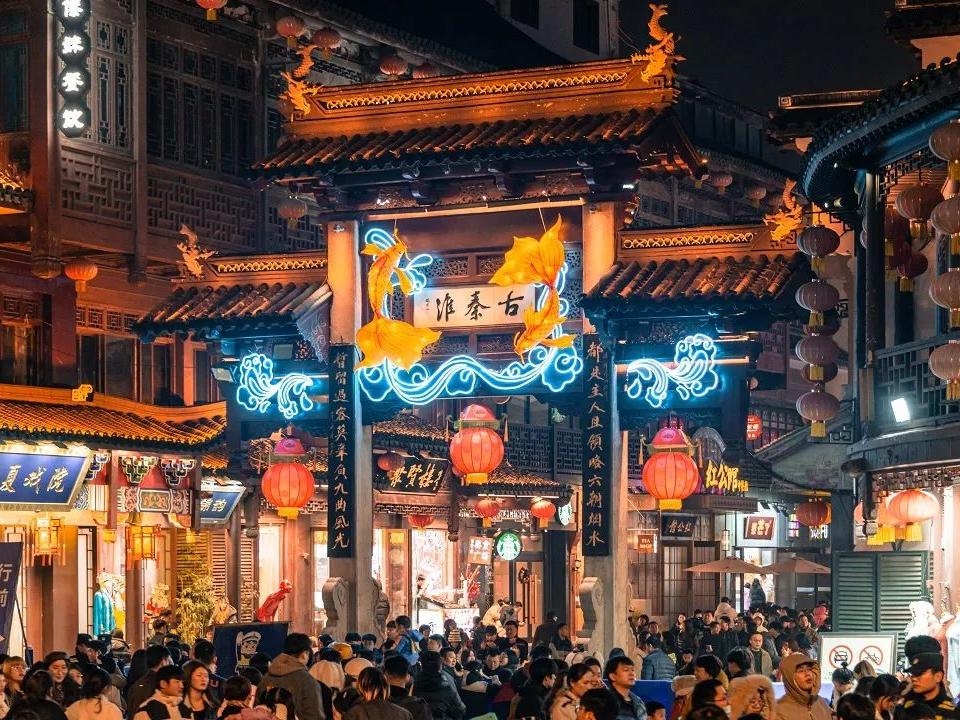
Venues: Bailu Island Park, Confucius Temple, Zhonghua Gate Castle, and others
Also known as the Jinling Lantern Festival or Confucius Temple Lantern Festival, this event is held primarily during the Spring Festival through the Lantern Festival period each year. In addition to elaborate lantern displays, visitors can enjoy a variety of folk performances including Nanjing paper-cutting, diabolo spinning, shadow puppetry, yangge dance, and stilt-walking — enriching the cultural experience and encouraging broad public participation.
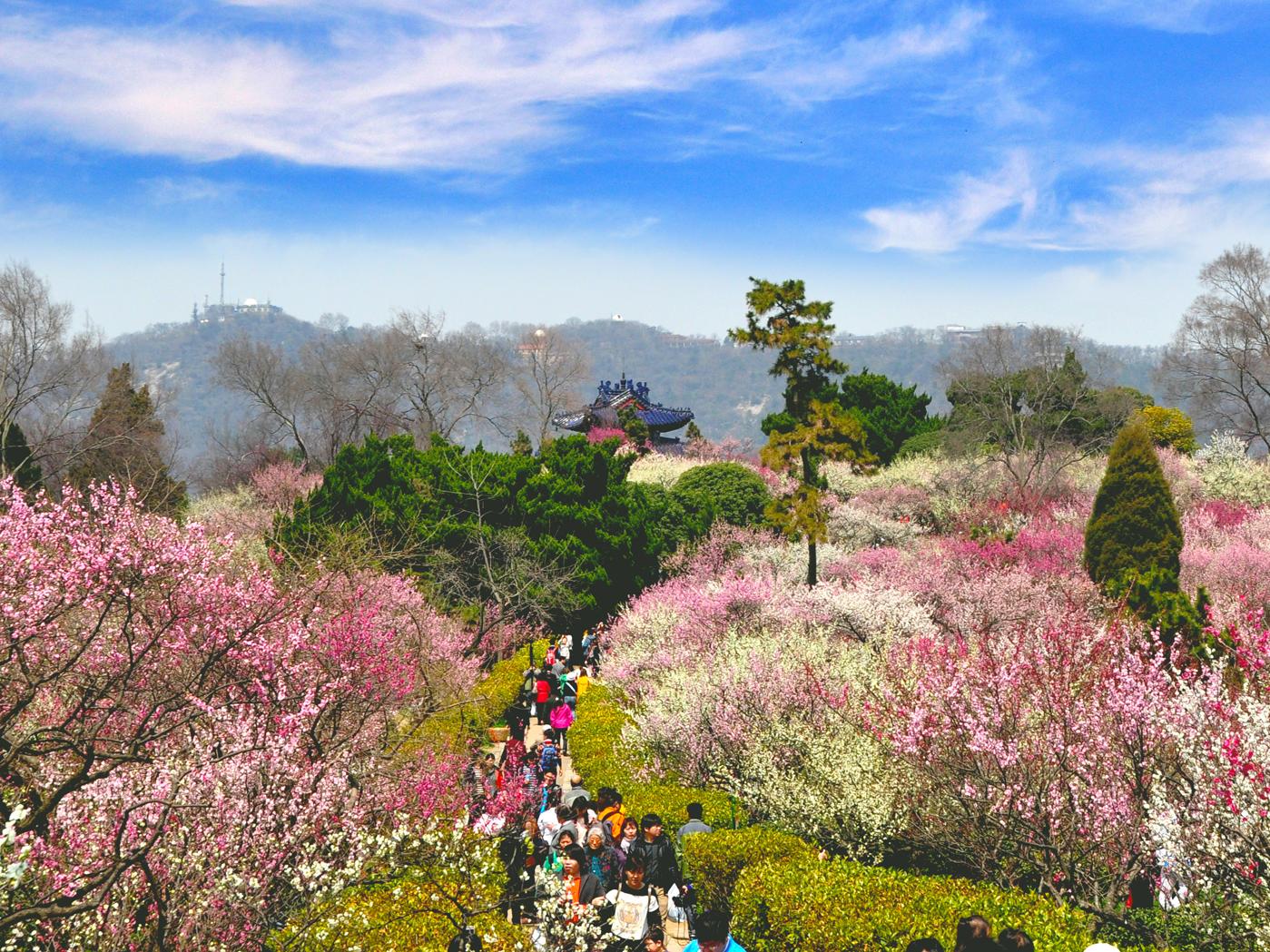
Venues: Plum Blossom Hill at Ming Xiaoling Mausoleum, Xuanwu Lake, Gulin Park, and others
Plum blossom viewing is one of Nanjing's most beloved spring traditions. From February to March each year, the plum trees on Plum Blossom Hill burst into bloom, drawing tens of thousands of locals and visitors to admire the scenery. Xuanwu Lake and Gulin Park are also filled with the fragrance of plum blossoms, making them ideal destinations for a spring outing.
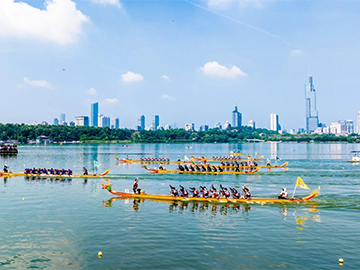
Venues: Xuanwu Lake, Mochou Lake, Jinniu Lake, Outer Qinhuai River, Baguazhou Xiaojiang River, and others
Dragon boat races are held across China around the Dragon Boat Festival. Nanjing's tradition flourished during the Ming and Qing dynasties, with the city's extensive waterways providing an ideal racing environment. With red flags flying, drums thundering, and dragon boats surging forward, the race has grown into a major sporting event with broad public participation.
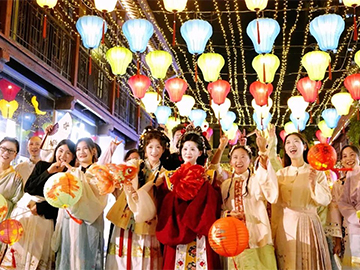
Venue: Xinanli Historic District
A lantern market with roots stretching back to the Ming Dynasty. During the Mid-Autumn Festival, when China traditionally celebrates with moon-gazing and mooncakes, a visit to the Dabridge Lantern Market in Xinanli is a must for Nanjing visitors. Lantern fairs, cultural tourism markets, intangible cultural heritage exhibitions, and artistic performances all showcase the vibrant new spirit of this time-honored festival.
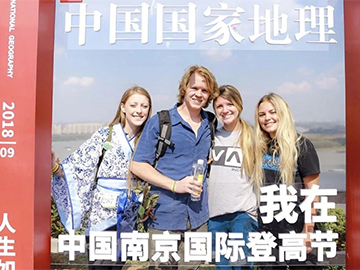
Venue: Muyan Riverside Scenic Area
Golden October is the perfect season for mountain climbing. The tradition of ascending Mufu Mountain dates back to the Eastern Jin Dynasty and flourished during the Ming and Qing periods. Every Double Ninth Festival, people gather to climb the mountain and pray for blessings. Today, this custom has been revived and grown into the International Mountain Climbing Festival, recapturing the grandeur of this ancient tradition.
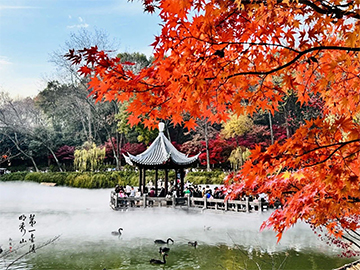
Venue: Qixia Mountain
Since the Ming Dynasty, Nanjing residents have made a tradition of visiting Qixia Mountain in autumn to admire the foliage, and the mountain is recognized as one of China's four premier red-leaf viewing destinations. In late autumn, more than 50 species of trees — including red maples, Japanese maples, and zelkovas — display breathtaking shades of crimson and gold that glow magnificently in the autumn sunlight.
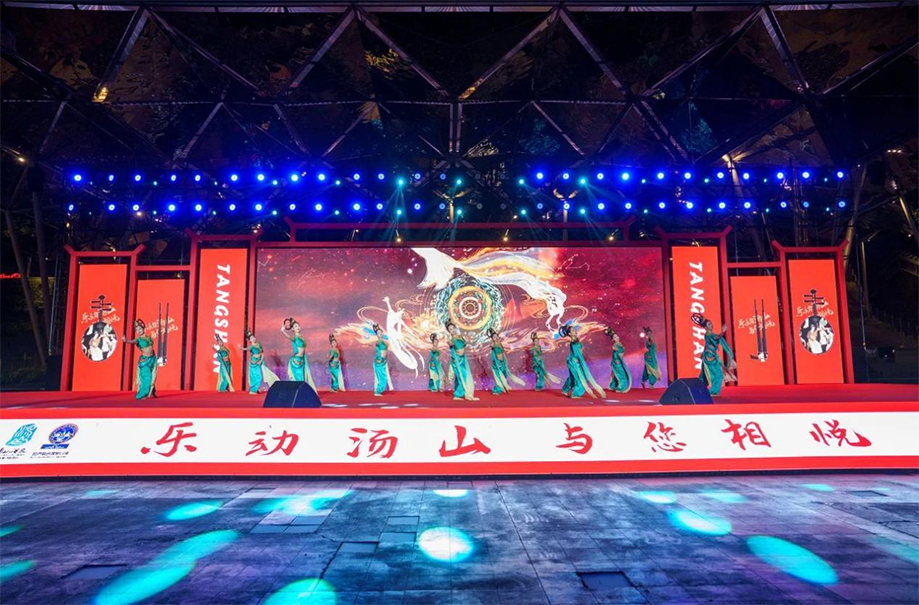
Throughout history, countless distinguished guests and scholars have been drawn to the warm embrace of Tangshan's hot springs. Located to the east of Nanjing, Tangshan is not only a renowned hot spring town but also a national-level tourist resort. The Tangshan Hot Spring Festival combines sports competitions, leisure activities, and fun experiences to create a relaxed and joyful festive atmosphere.